Interviews
Erica Núñez y Gabriel Fernández Gil “We were a hundred people with good intentions who demonstrated that climate agreements can be reached.” We spoke with former members of the State Climate Assembly.

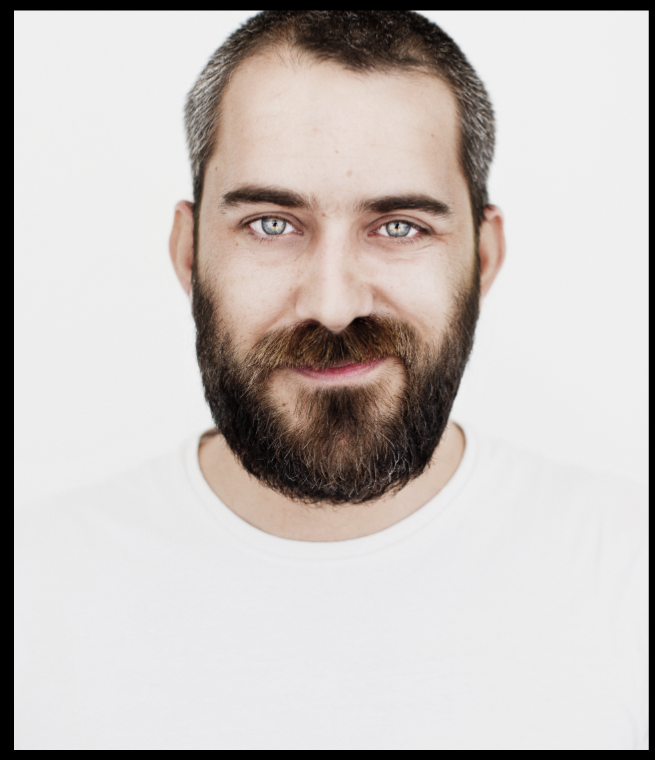
We spoke with Gabriel Fernández Gil and Erica Núñez, former members of the Citizens’ Assembly for Climate and members of the association created after its conclusion.
Who are you and how did you become involved in the Citizens’ Climate Assembly?
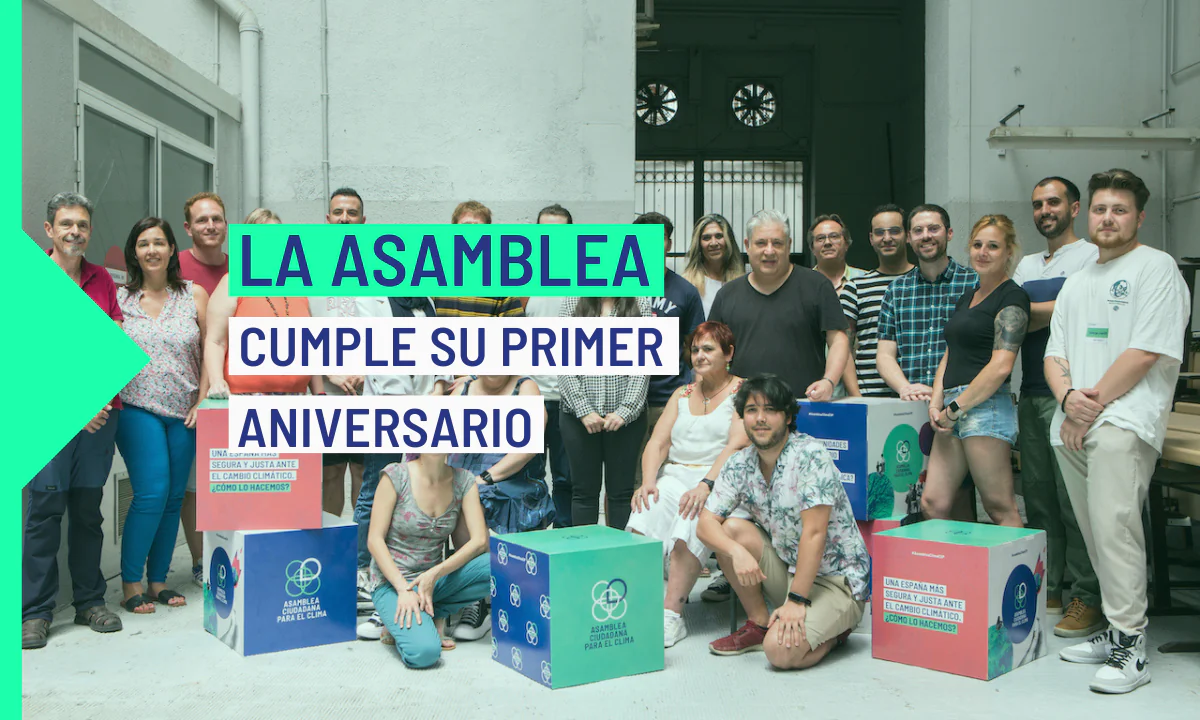
Gabriel: My name is Gabriel Fernández Gil. I was a member of the Spanish Climate Assembly and now I am part of the association that several participants created at the end of the process.
Erica: My name is Erica Núñez and I am from Galicia. I was also a member of the assembly and I am still involved in the association that was formed afterwards.
What do you think is the role of the people selected by lottery in a citizens’ assembly?
Erica: For me, our role is to spread the word about what we did inside: how we worked, the good environmental practices we learned and the 172 recommendations we made. These proposals cover all sectors and ways of life, so I see myself as a kind of “spokesperson” for this collective work.
Gabriel: We are also promoters of this deliberative experience. We were a bit like citizen “guinea pigs”, experimenting with how to deliberate together, and now it’s our turn to share what worked, what can be improved and why it’s worth repeating.
Do you consider yourselves a citizens’ lobby or a pressure group for participatory democracy?
Gabriel: We wish we had the resources to be a lobby, but we prefer another way of acting. The word “lobby” has a bad reputation; it is associated with economic power, and we have precisely no power.
Erica: More than a pressure group, we are people with good intentions who have achieved a lot with very little. We have nothing to do with economic or ideological lobbying. Our work was and continues to be voluntary, and that is commendable: without funding or structure, we are still here, trying to keep the spirit of the Assembly alive.
What kind of training or support do you think you would need to continue contributing to the Assembly’s mission?
Gabriel: During the Assembly, we received excellent environmental training. We learned some striking facts, such as that 40% of the clothes we buy are never worn. That makes you think and change your habits.
Erica: It would also be very useful to learn how to get our proposals across to institutions, how to have a real impact. Not to lobby, but to learn how to communicate better and get them to listen to us.
In deliberative processes, there is much talk about methodology, but little about emotions. What role did emotions play in your experience?
Erica: We had healthy debates, always with respect. When you talk among equals, without hierarchies, the tension that sometimes exists in other spaces disappears. But there were also intense emotions, such as anger, which, when well directed, can be a very useful driving force.
Gabriel: That’s true. The anxiety to reach consensus can either drive you forward or block you, depending on how it is managed. But the important thing is that, despite our differences, we managed to reach agreements. A hundred people from very different backgrounds agreeing: that shows that the model works.
La ansiedad por alcanzar consensos puede impulsarte o bloquearte, depende de cómo se gestione. Pero lo importante es que, a pesar de nuestras diferencias, conseguimos llegar a acuerdos.
After arriving at 172 recommendations, what challenges did you encounter when trying to communicate or implement the results?
Gabriel: The media hardly mentioned us. During the Assembly, discretion was justified in order to protect our independence, but once it was over, there was no institutional or media momentum.
Erica: When we presented our proposals to local councils and regional governments, we were received politely, but often it was just symbolic. They listened, they nodded… and that was about it. There was no follow-up.
Gabriel: Our main challenge now is to survive. Without funding and with online meetings, everything costs more. But we carry on, because we believe that this voluntary work is valuable and shows that citizen participation is possible.
What do you think is needed for institutions and the media to pay more attention to these kinds of initiatives?
Erica: Political will. We have plenty of that, but without receptivity from above, little can be done.
Gabriel: Sometimes it feels like climate change isn’t important because it affects the production model. And many people prefer not to look at that. When you suggest that climate action needs to be compatible with the economy, the responses are often evasive. But the reality is already here: hurricanes, fires, droughts. Not acting will be much more expensive.
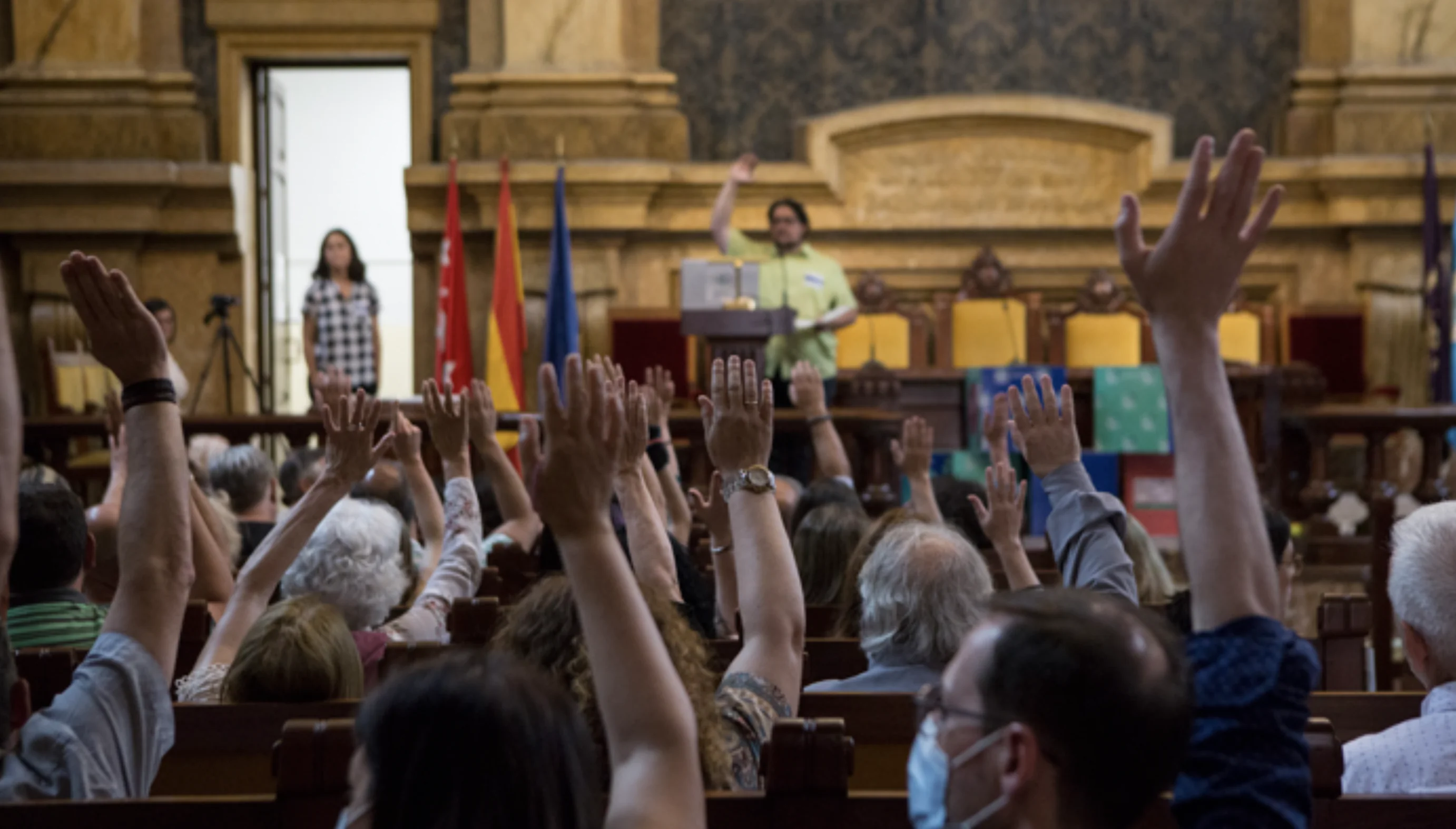
Some voices question the legitimacy of only 100 people representing the entire population. What do you think?
Gabriel: Legitimacy does not lie in numbers, but in the process. If assemblies were held regularly, they could evaluate and improve collective decisions. We only took the first step.
Erica: We were chosen to reflect the diversity of Spain: ages, territories, economies, rural and urban environments. Our legitimacy comes from knowledge and effort. We did a lot with very little, and that also gives us moral authority.
How did you manage the balance between local problems and the global challenges of climate change?
Erica: Spain is a very diverse country. Galicia is not the same as the Mediterranean or Madrid. But if we achieve successful local solutions, they can serve as global examples. Pontevedra, for example, is a walkable city that inspires many others.
Gabriel: I always repeat three ideas: don’t degrade the local environment, ensure equal opportunities and educate the population. Because if people don’t know about the problem, they can’t act. Environmental education is the basis of everything.
How can we convince younger generations that participation is worthwhile?
Erica: Schools and colleges should practise assembly-style democracy, not just talk about climate change. Debating, making decisions, having experts to ask questions… that makes you aware of the power you have as a citizen.
Gabriel: I agree. Deliberative democracy is learned from an early age. It is not enough to memorise theory: you have to experience collective decision-making. New technologies can help to form groups, share ideas and create community. If we learn to deliberate from a young age, we will have a citizenry that is much better prepared to make decisions together.
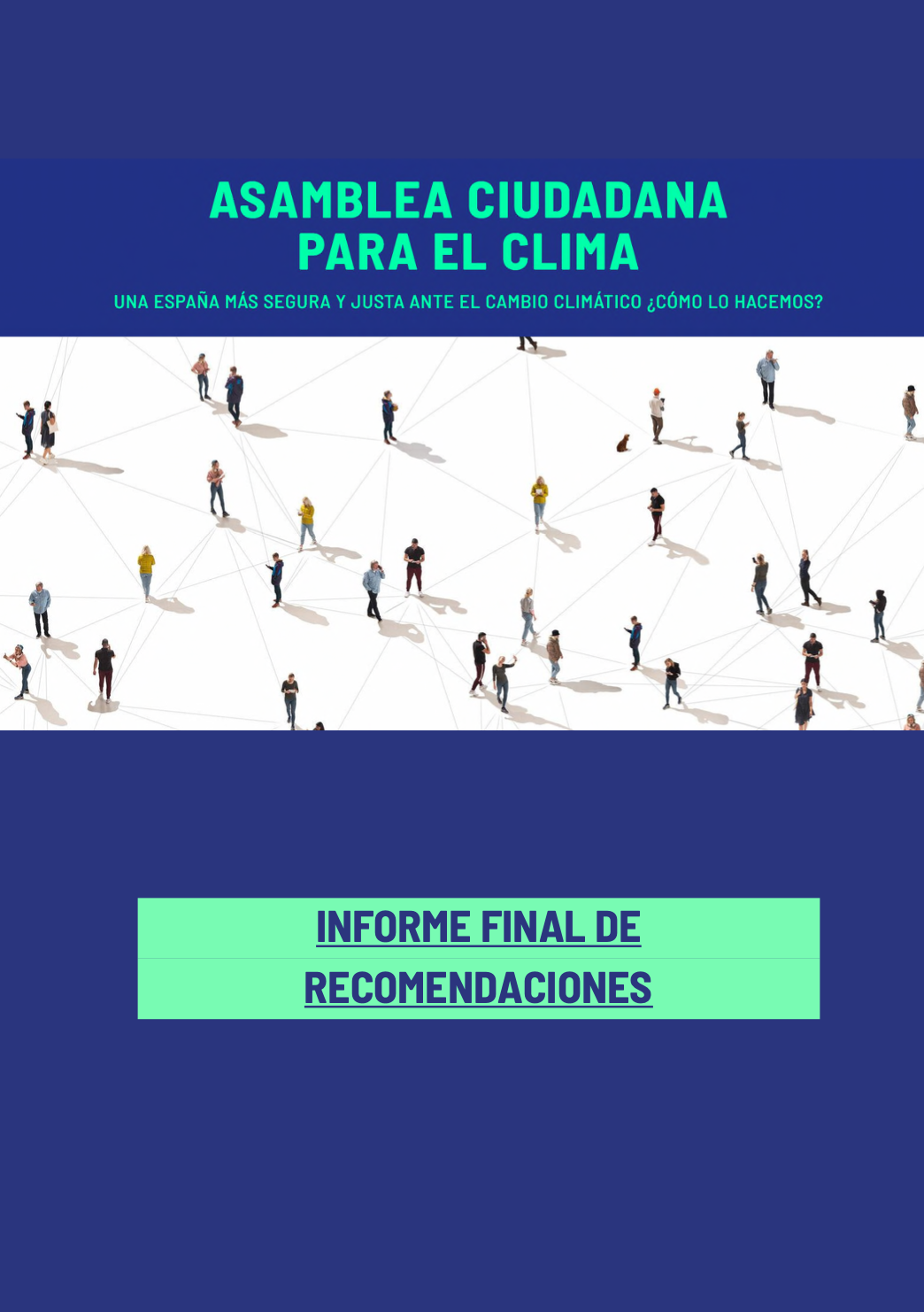
You can consult the recommendations arising from the assembly here.
__
The interview took place at the Forum on Deliberation, Creativity and Democracy, between 15 and 18 October 2024, thanks to the support of the Open Society Foundation and the Barcelona Provincial Council.