Learnings
“The energy transition in La Palma only makes sense if it is led by the citizens.” How to promote a citizens’ assembly on climate change.

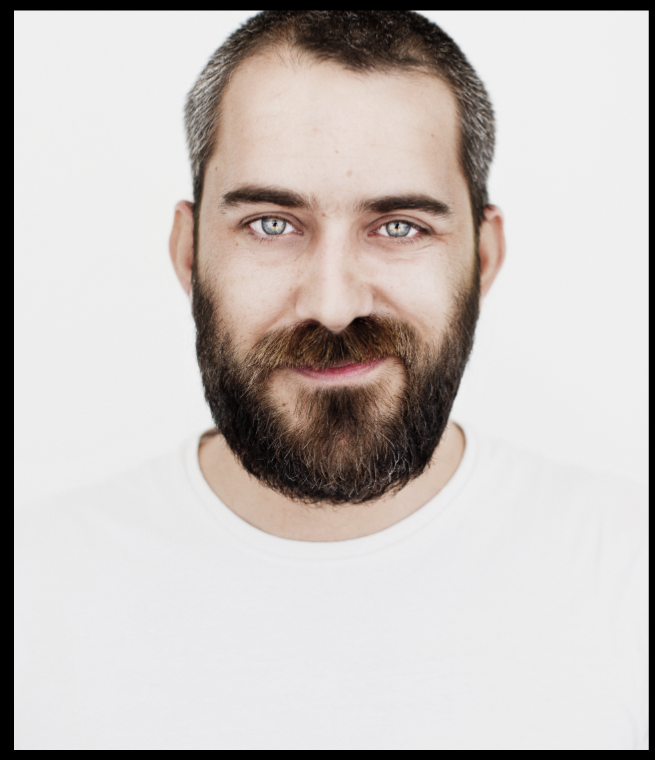
We spoke with Nuria Albet, from La Palma Renovable, an organisation that is promoting the Citizens’ Assembly for Energy on the island of La Palma, in the Canary Islands. La Palma Renovable is a project born out of a citizen movement, the Platform for a New Energy Model (Px1NME), which promoted the Roadmap for a New Energy Model and the Electron Manifesto (a document signed by all local administrations in La Palma).
What is special about La Palma Renovable and what can we learn from it?
It is an initiative that originated with citizens. In fact, La Palma Renovable is a citizen movement that emerged from other movements calling for the island to be 100% renewable. But we are not only seeking to be 100% renewable: we want the governance and ownership of the energy transition to be in the hands of citizens, so that it also has a direct impact on the local economy.
What steps have you taken?
We have actually been at it for a long time. We started more than ten years ago with the Platform for a New Energy Model and the local group Suma Energía in La Palma, promoting the transition. We managed to get the Cabildo, the island’s government, and the 14 municipalities on the island, as well as all the political parties, to sign the Electron Manifesto.
That was the starting point: the goal of becoming 100% renewable was expressed, but also that it should be the citizens who governed the process. From that moment on, we convinced the Cabildo to provide resources. Six years ago, La Palma Renovable was born, now established as a non-profit association. Since then, we have developed a wide range of projects, with funding from the Cabildo, always with the same approach: to place citizens at the centre of the energy transition and the climate challenge.
How has the Cabildo integrated the voice of the citizens into such a transformative goal?
I think there are several reasons. La Palma has about 70,000 inhabitants (officially 80,000), which is a very human scale. Here we work directly with people, and when you understand the problem, it becomes clear that action must be taken. We are a disconnected island, with no cable connection to anywhere else, and right now only 10% of our electricity is renewable. This means that if one day the ships stop coming, we are left without energy, food or water. At that time, there was practically no one in the administration working on energy.
It was the citizens who forced the issue to be put on the table. Just then, the European Commission launched an initiative to select pilot islands for energy transition. We applied, we won, and for the last six years we have also been working with Brussels. I think there were coincidences and also a strategic vision: to coordinate professional work within the island, but also to forge connections outside, from Madrid to Brussels, with powerful projects.
How is this citizen movement governed?
We have several legs to stand on. On the one hand, La Palma Renovable functions as a fairly unique tool, albeit without very formal processes. But we have already created an energy community: a non-profit cooperative with more than 200 members. In the cooperative, we do have internal democratic processes, with assemblies and thematic working groups. And in recent years, we have had some very interesting debates and dilemmas, which show how a small group can have a big impact on the whole island. For example, after the volcano, we saw the need to explore geothermal energy.
The essential thing is to have the big strategy in mind, to understand the complexity of the system well and to speak from the heart
It is a very expensive process (around €30 million just to study its feasibility). Large companies such as RedSol wanted to get involved, as did the public sector, and that is when the energy community took a stand: we would only participate if there was a public-community majority. In the end, we got involved, and although our share was minimal, we managed to ensure that today the vast majority of the project is public-community owned. This shows that a small organisation can have an impact on the island.
In addition to that technical impact, how has the political relationship with representatives been?
Not the letter, but almost everything else. In the end, it’s the human scale: we all know each other. That allows you to talk directly to someone you thought you disagreed with and discover that this is not the case. One of the things I have learned most is to let go of partisan prejudices.
When you work with people based on values and emotions, especially on issues as fundamental as survival on a small, isolated island, unexpected consensus emerges. Yes, there are drinks, phone calls and informal meetings that change things.
Any anecdotes that illustrate this way of doing politics?
Lots. It happens all the time. That’s why it’s difficult to write a manual. For me, the essential thing is to have the big strategy in your head, to understand the complexity of the system and to speak from the heart, knowing that the other person also lives on the island, with their children and grandchildren. A clear example is the Citizens’ Assembly for Energy in La Palma. We got all the political parties to commit thanks to a conversation with a person who, at first, did not agree. Speaking from the heart changed their mind, and that swayed the rest.
What advantages do you see in the Citizens’ Assembly format?
I am fascinated by several elements. On a micro level, the transformation of people: someone enters the assembly as one person and leaves as another. That change cannot be explained in a book, it can only be experienced. I connect it with the Scandinavian folk high schools, where I experienced the value of vertical knowledge: that which arises from being in contact with other people. On a macro level, energy is the basis of the entire economy.
It is not enough to change technology: we must face a brutal socio-economic change. That cannot be decided in an office; it requires all citizens to understand the dilemma and debate it. An assembly will not provide the final solution, but it is a first step towards an essential cross-cutting debate.
What stage is the Assembly at now?
There is no clear answer, because everything moves slowly in La Palma. There was already €150,000 in this year’s budget, but it was not implemented due to a lack of mechanisms. We now believe we have found a way, and the idea is to start next year and finish in two years, with €300,000. In addition, we are thinking of a pre-assembly: training not only those who are selected in the draw, but the whole island, with prior training and awareness-raising processes. In this way, we will build trust and create a broader movement.
What are your expectations for the future?
It’s hard to say. We have experienced a volcano, with poorly planned participatory processes in the midst of trauma, and now there is a certain reluctance to participate. That is why the pre-assembly is so important: to rebuild democratic trust. But the truth is that we are moving forward in the midst of chaos, with the climate and energy crises running rampant. We work in an agile way: with clear objectives, but constantly re-evaluating as we go along.
Después de tantos años, ¿qué aprendizajes políticos y organizativos te llevas?
Many. Coming from activism, it is easy to criticise, but when you are on the inside, you understand the inertia and bureaucracy. Things you imagined would be quick take two years. A key lesson is that civil servants and policy makers also need to be trained. We recently organised a training session at the Cabildo and saw some very strong reactions.
Many understood that we need cross-cutting entities and to prioritise key issues so as not to get lost in bureaucracy. The essential thing is for citizens to keep pushing with clear objectives, even if the parties or the context change. Otherwise, economic inertia will continue to devour renewable progress.
Find out the latest news on the energy transition in La Palma by subscribing here.
__
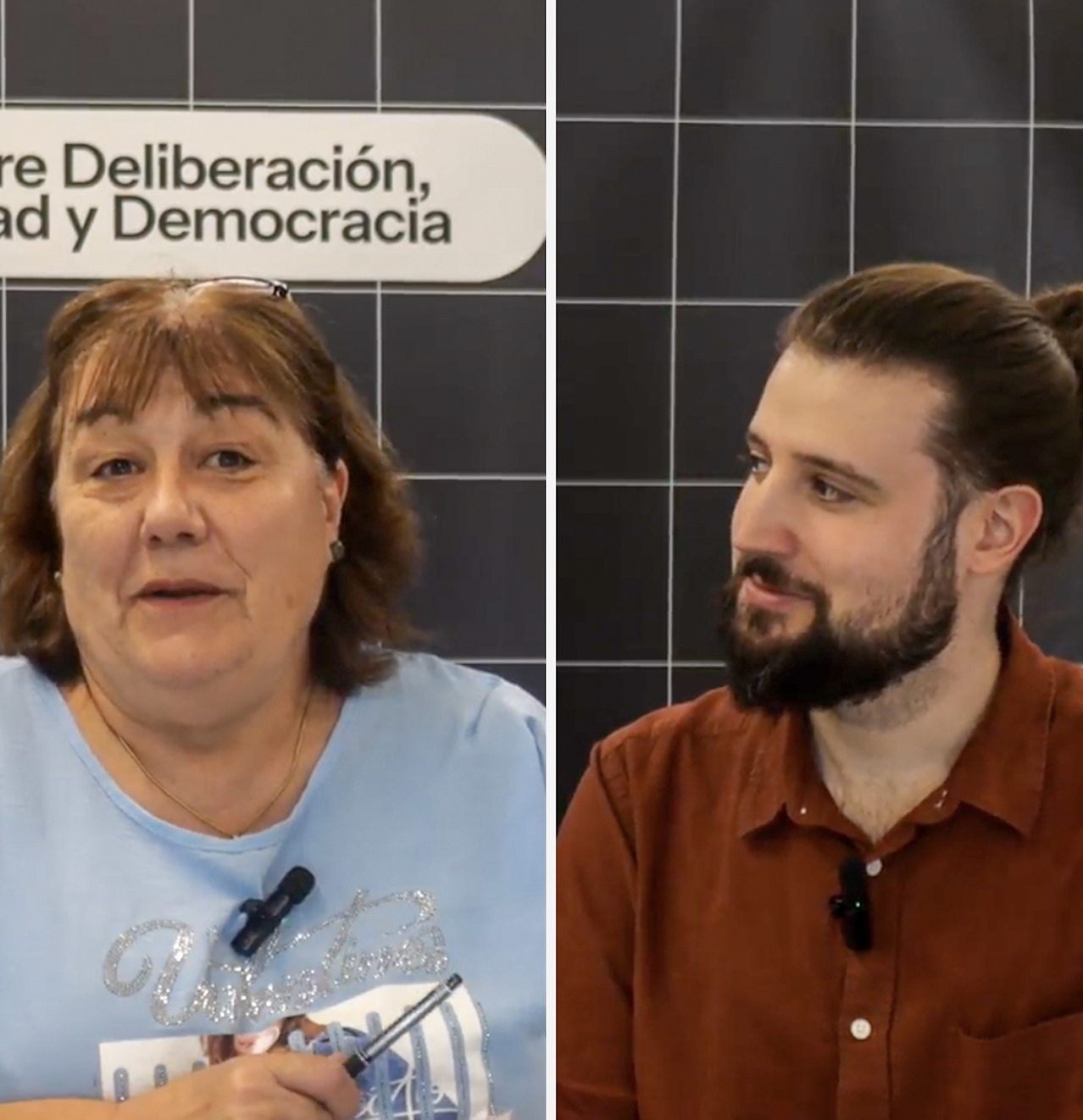
The interview took place at the Forum on Deliberation, Creativity and Democracy, held from 15 to 18 October 2024, thanks to the support of the Open Society Foundation and the Barcelona Provincial Council.