Interviews
Mauricio Mejía Democracy is in danger, long live democracy! Five trends that reaffirm the rise of deliberative democracy around the world

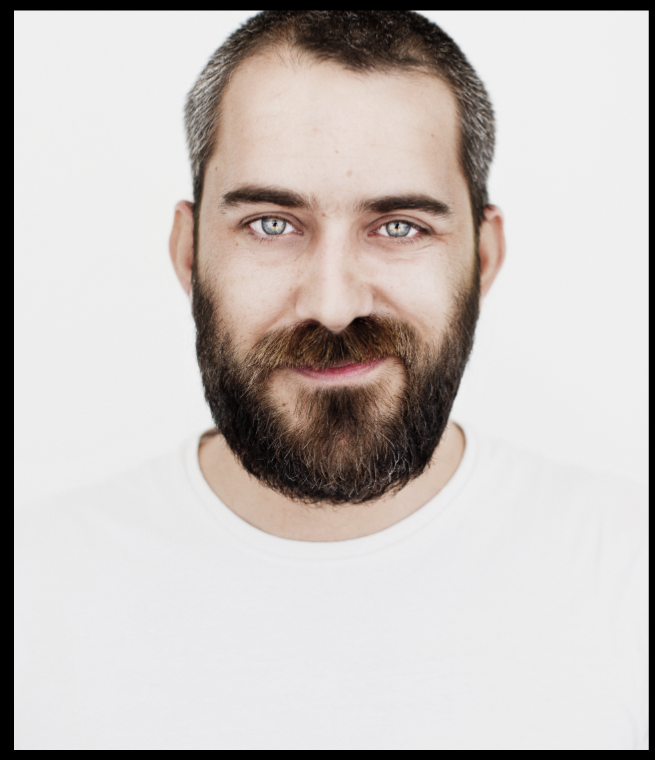
In times of polarisation, mistrust and extreme rhetoric, new forms of politics are emerging. From Paris to Bogotá, from Brussels to Budapest, citizens’ assemblies are gaining ground as spaces for collective deliberation. Mauricio Mejía, former coordinator of the OECD’s citizen participation and deliberation area, explains how these experiences are redefining democracy and why the future may resemble a lottery rather than a ballot box.
Why is citizen participation a priority issue for the OECD?
There are two main reasons for this. First, because it is directly related to trust in democratic institutions. Recent studies such as the Global Trust Study show that the opportunity to participate and feel that this participation has a real impact is one of the factors that most influences public trust.
But it is not just any kind of participation: it must be well organised, have an impact and a collective meaning. And that is where the OECD comes in: to identify trends and good practices and offer guidance to countries on how to do it well.
So people trust more when they can participate?
In reality, people do not have much trust in institutions, but when they can participate and see tangible results, their trust improves. The important thing is that participation is not symbolic, but binding and meaningful.
For the past 15 to 20 years, we have seen an upward trend in deliberative processes: citizens’ assemblies, citizens’ juries, deliberative panels, which are gradually becoming integrated as a complement to so-called “representative democracy”.
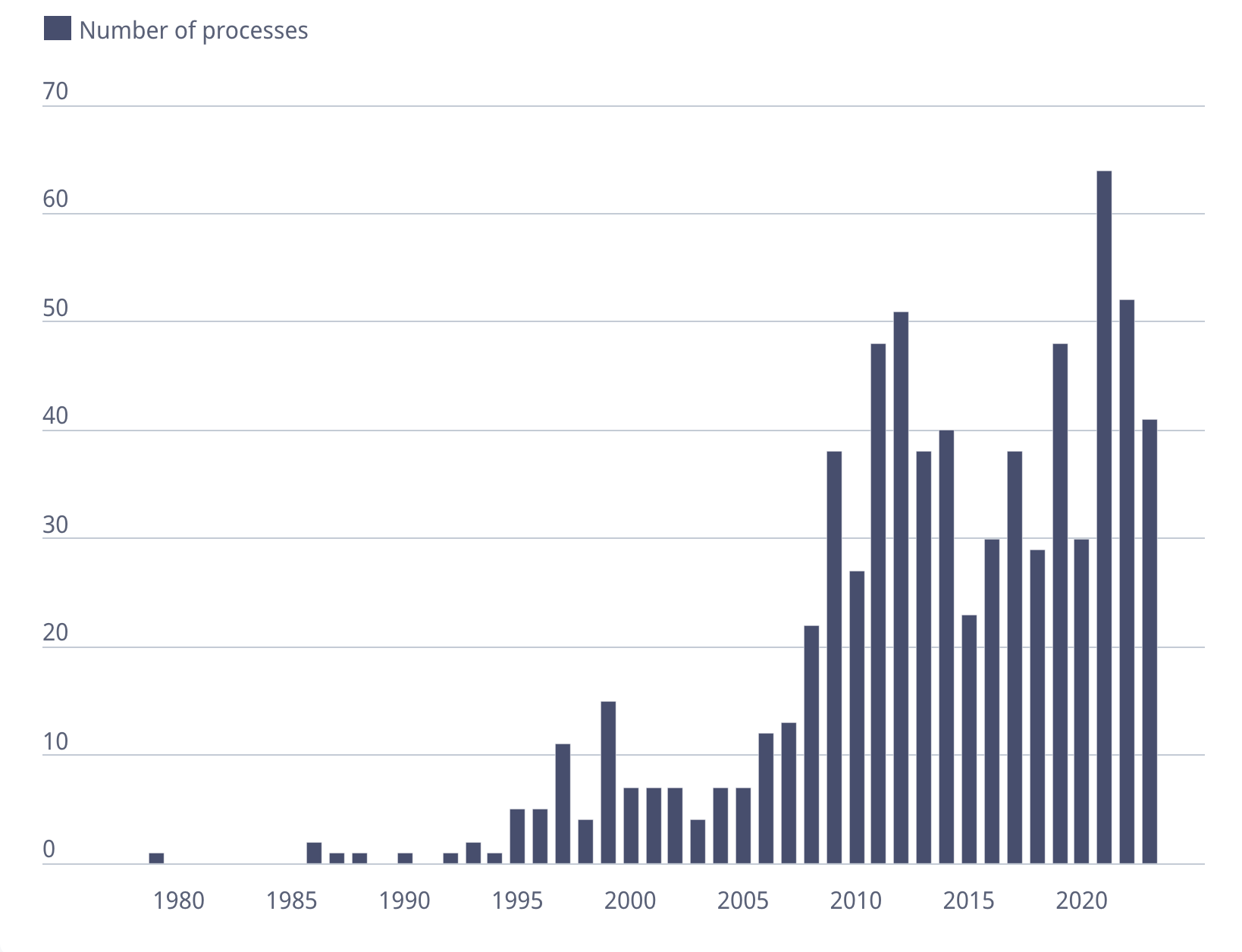
Number of representative deliberative processes over time (total per year), 1979–2023
OCDE (2023)
Is this ‘deliberative democracy’ growing worldwide?
Yes, it is growing. In our latest data collection, in 2023, we identified almost 800 cases of deliberative assemblies around the world. These are not all of them, of course, only those that meet certain criteria: that there is random selection of citizens, that they are organised by a public authority and that they last more than one day.
Most are concentrated in Europe, North America, Australia, Japan, and other countries in the global north. But in recent years, we have seen new experiences in Latin America and Eastern Europe, with countries such as Colombia, Brazil, Bosnia-Herzegovina, Montenegro, Georgia, and Romania beginning to experiment with these models.
Why are these countries joining the discussion?
Because it works. It is a decision-making method that strengthens trust and generates civic value. The people selected get involved, learn about other realities, and return home with a deeper understanding of the issues at hand, whether it be the environment, transport, or education.
At climate change assemblies, for example, citizens' proposals tend to be more visionary and optimistic than those of traditional parliaments.
What is more, the results tend to be more ambitious and constructive. At climate change assemblies, for example, citizens’ proposals tend to be more visionary and optimistic than those of traditional parliaments.
Can we say that citizens are more ambitious than politicians?
In many cases, yes. When the process is well designed, people reach more consensual and less polarised agreements. On highly sensitive issues such as abortion, euthanasia or same-sex marriage, deliberative assemblies allow us to escape binary “yes or no” debates. They are spaces for deep dialogue, where conversation replaces confrontation.
We are living in an era of increasing polarisation. Could it be said that the deliberative wave is a response to this global reactionary wave?
I wouldn’t call it a direct answer, but it is a possible solution to polarisation. These spaces encourage a shift from “I think” to “we decide”. People stop speaking from their individuality and start thinking as part of a collective. In addition, deliberative processes include an information phase, which is crucial. On social media, opinions are formed based on emotion or misinformation, but in an assembly, participants learn, deliberate and decide on a more solid basis.
Is it possible to hold a citizens’ assembly in a non-democratic context?
Yes, and it has already happened. They cannot always directly influence government decisions, but there are examples. In China, there have been local deliberations. In Ukraine, despite martial law, the Council of Europe is promoting deliberative assemblies. Even in Hungary, where liberal democracy faces tensions, the city of Budapest has organised one. Deliberation not only improves political decisions: it also strengthens social cohesion and community self-management..
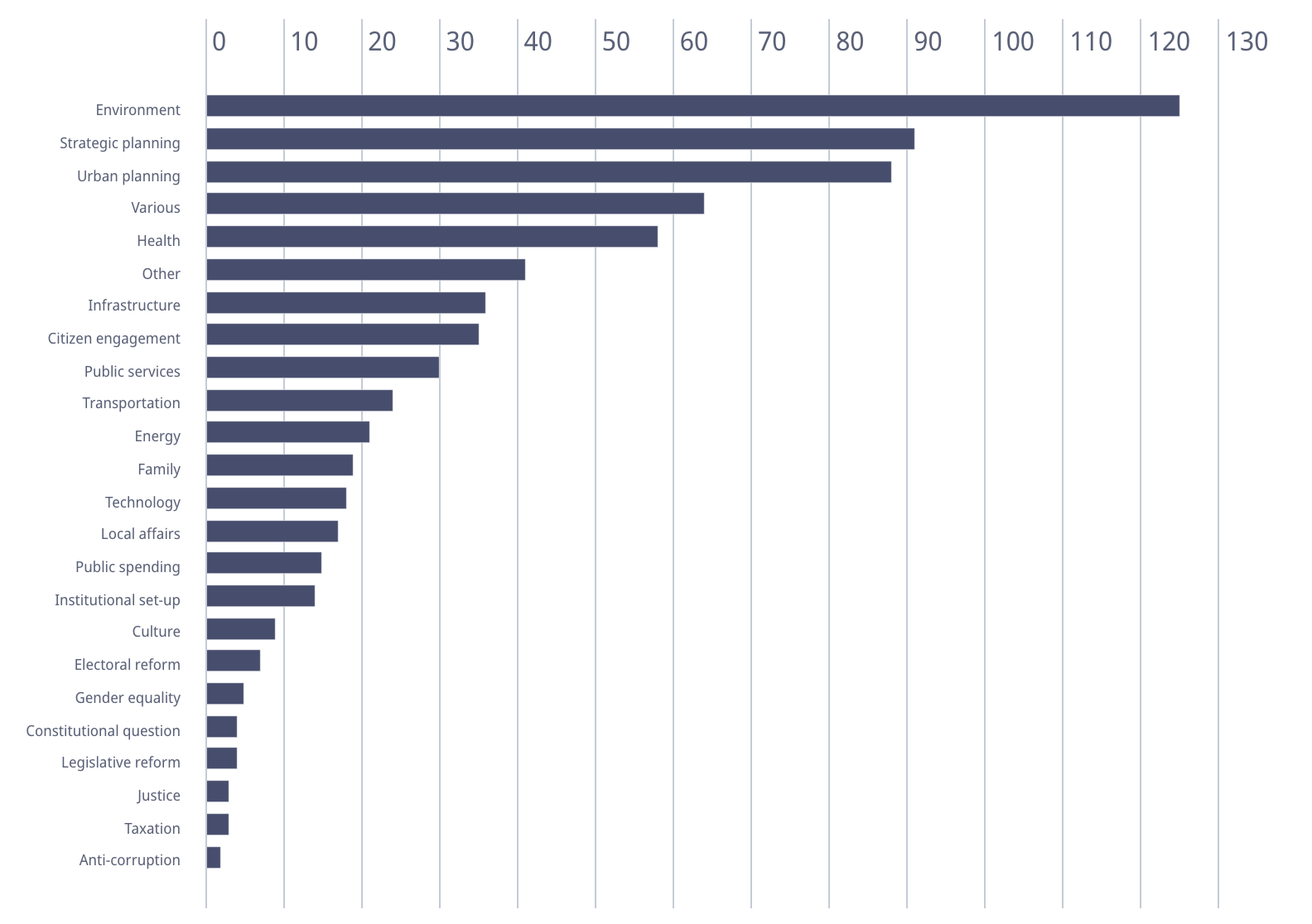
Number of times a public policy issue has been addressed through a representative deliberative process
OCDE (2023)
What new trends do you see for the future?
In the study we published in 2023, we identified four major trends, to which I would now add a fifth:
The climate issue is undoubtedly the most recurrent. Climate assemblies allow us to think beyond the short-term electoral horizon and open up prospects for long-term collective action.
Institutionalisation is another relevant phenomenon. In some places, there is already talk of creating genuine “Citizens’ Senates”. In the German-speaking region of Belgium, for example, there is already a permanent assembly of this type.
Technological hybridisation is also becoming more widespread, combining face-to-face meetings with digital tools to keep deliberation alive and connected.
Added to this is the growing use of artificial intelligence, which can help moderate large debates and process information without replacing human presence.
Finally, we are seeing global expansion: more and more countries outside the global north are exploring these models, adapting them to their cultural and political contexts.
Finally, is democracy in danger?
Yes, but this is nothing new. Democracy is always at risk because it depends on us, the citizens. Rather than a crisis of the system, we are experiencing a crisis of collective meaning: we have lost mutual trust and the habit of building together.
What I do see clearly in decline is traditional representative democracy. Fewer and fewer people identify with parties or trade unions. The classic structures of representation are empty.
That is why I believe that deliberative democracy based on random selection and direct participation can bring fresh air, restore legitimacy and rethink what it really means to represent citizens. After all, is someone elected by 20% of the electorate more representative than someone selected at random who deliberates with rigour and commitment?
You can consult the OECD’s main conclusions on open government and citizen participation here.
__
The interview took place at the Forum on Deliberation, Creativity and Democracy, between 15 and 18 October 2024, thanks to the support of the Open Society Foundation and the Barcelona Provincial Council.