Interviews
Malik Afegbua Challenging stereotypes about aging: Is AI replacing the past of our elderly?

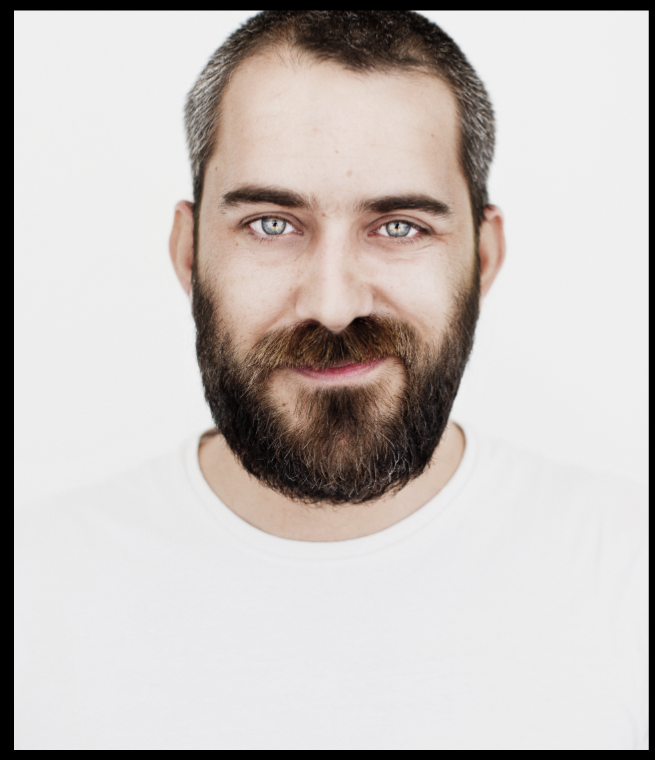
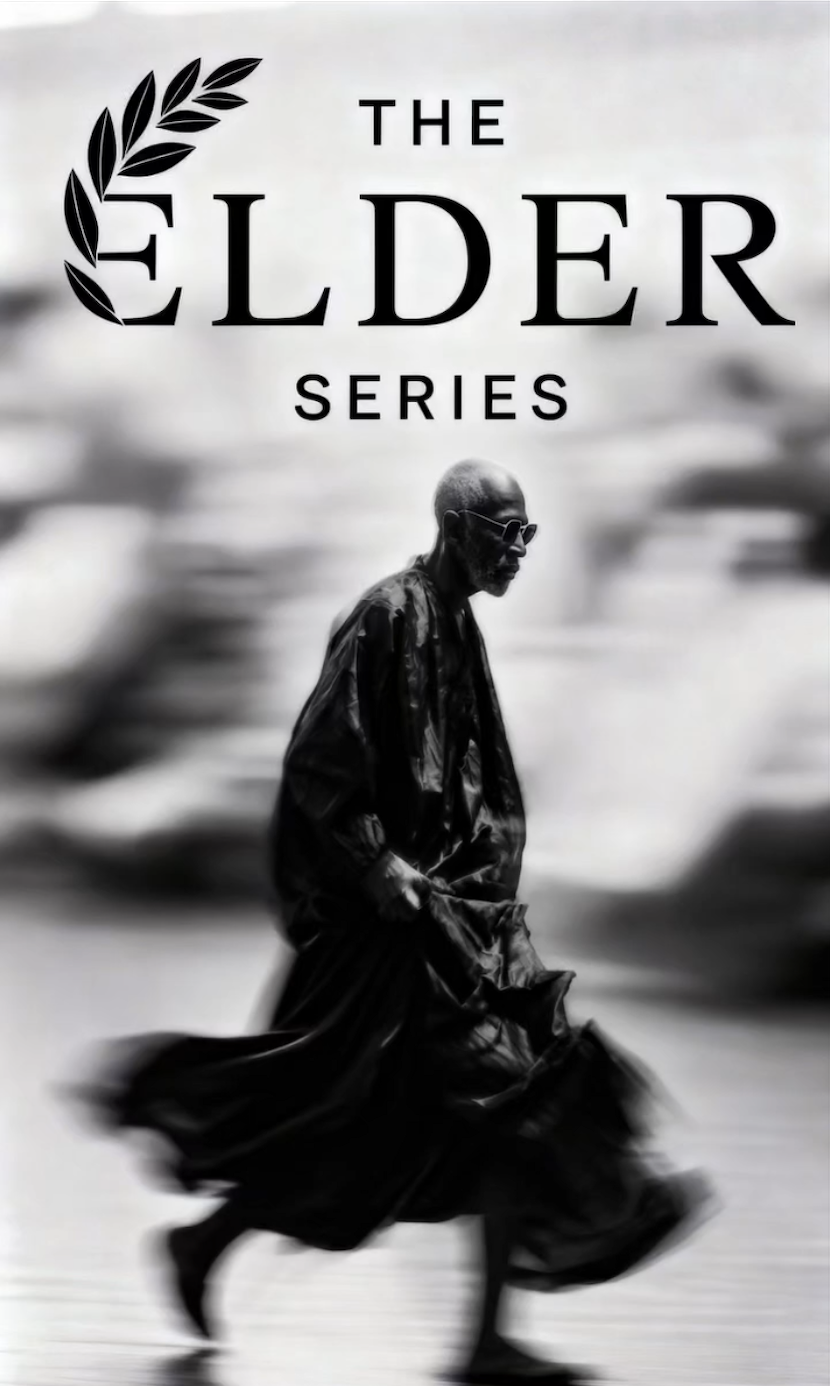
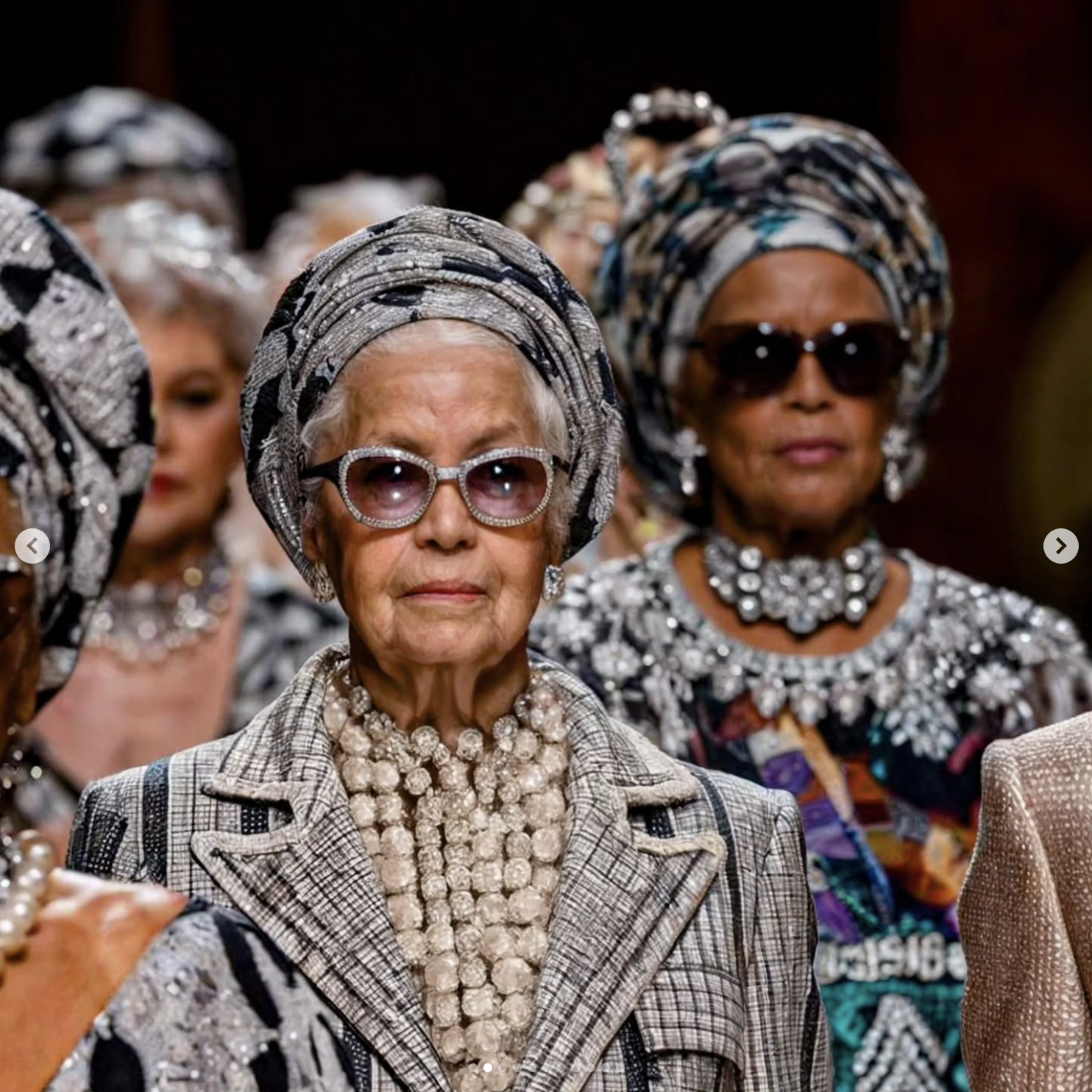
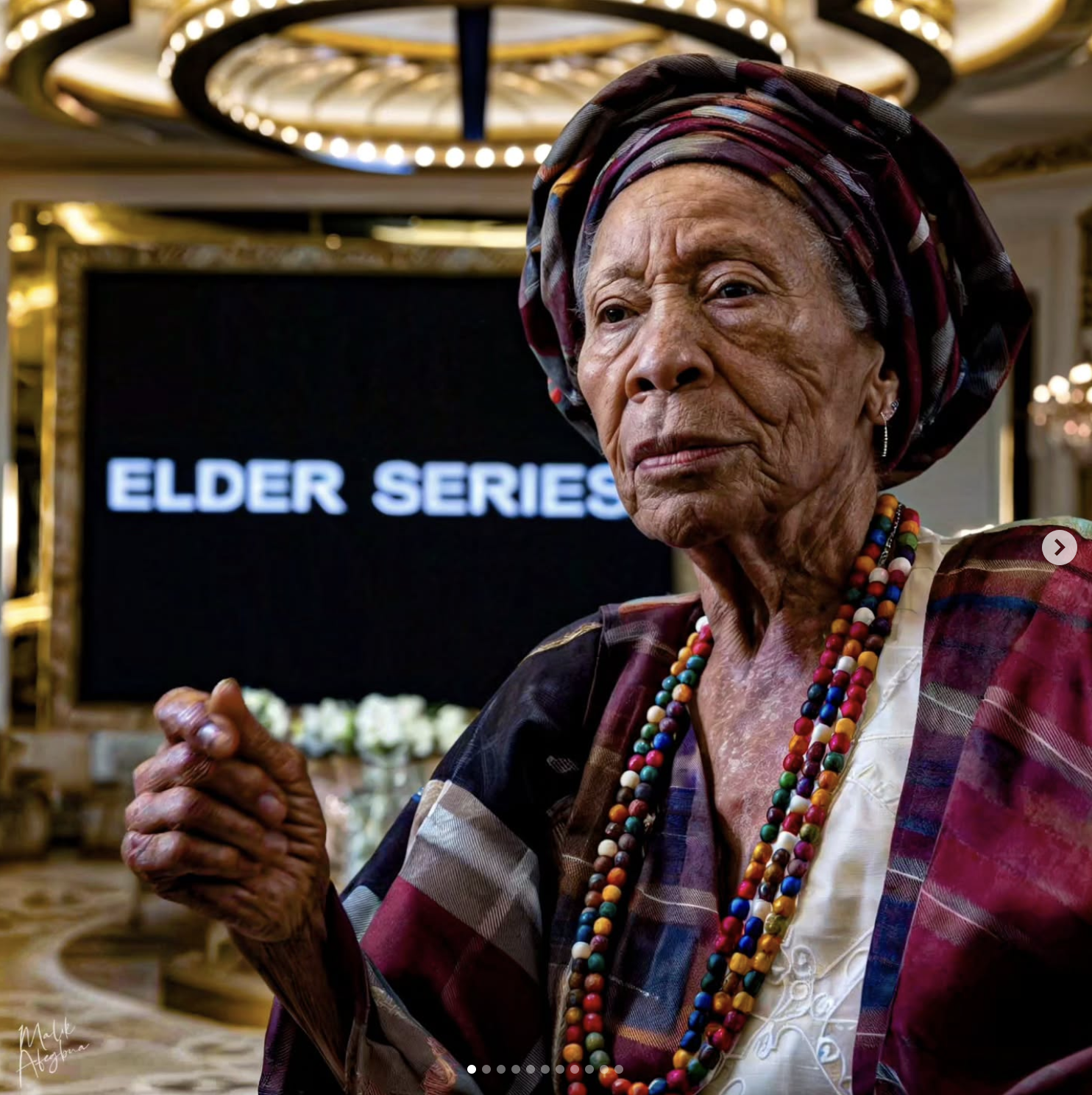
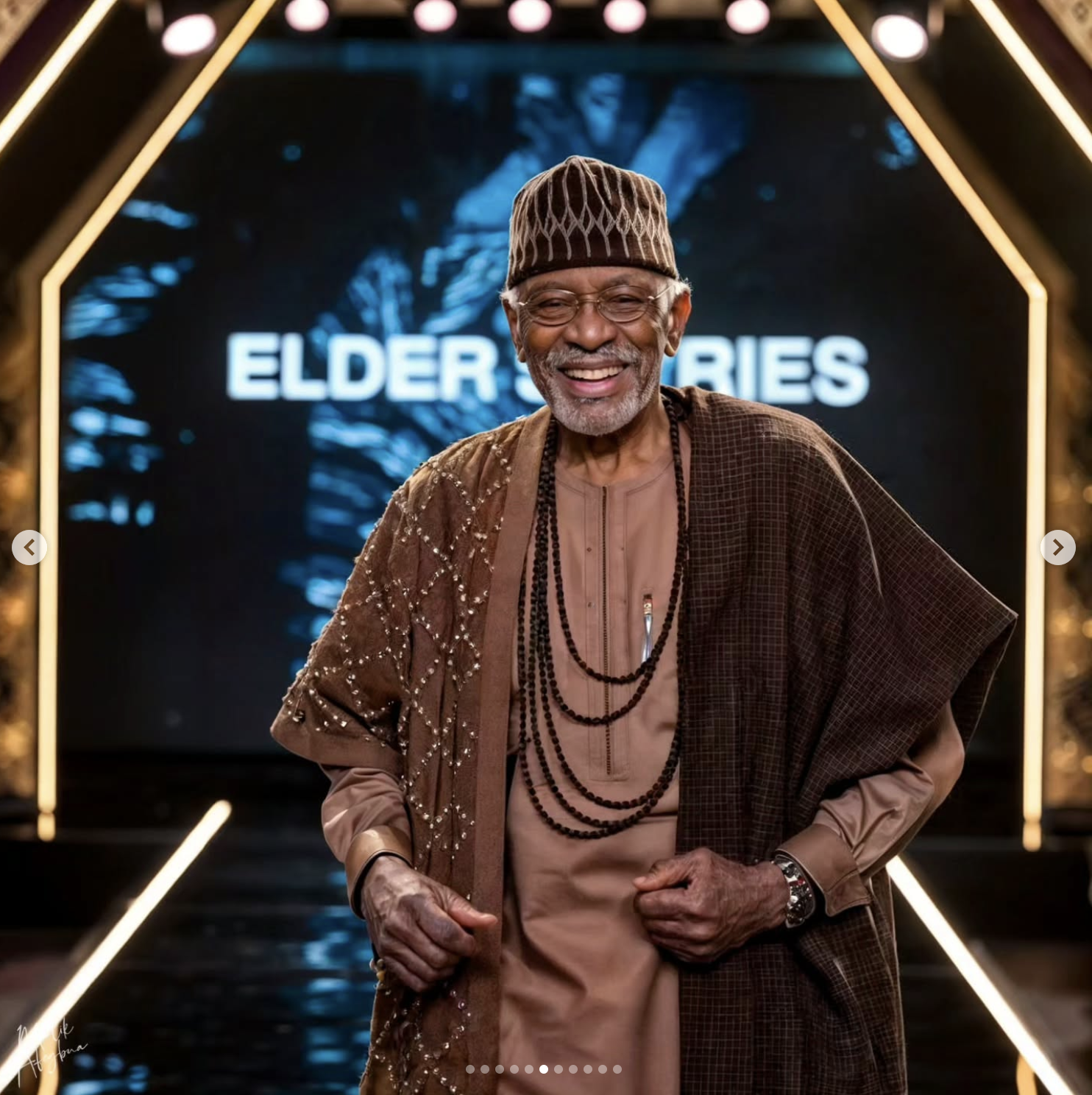
While AI is presented as the great promise for new generations, we rarely ask ourselves which memories, forms of knowledge, and bodies are left out of that automated future. We spoke with Madik Afegbua, creator of The Elder Series, an artistic project that directly challenges our idea of progress. In contrast to a dominant narrative that equates innovation with youth and pushes old age into invisibility, this project calls for intergenerational justice and affirms the right of older people to continue being seen, heard, and recognized as “living archives”, bearers of beauty, knowledge, and future.
On the origin of the project
The Elder Series stems from your personal experience with love. How did you arrive at this project?
Madik: I was trying to connect because I was very close to my mother. Suddenly we stopped communicating; I could no longer speak with her. I was about to take a flight and that was the last time I heard from her. I couldn’t find a way to move forward. I was thinking about what the best way would be to face this. I had never felt like this before nor had I ever had to face something like this, and on top of that it was someone so close to me.
Instead of sinking into depression and everything that happened, I wanted to celebrate her legacy. I tried to connect with that demographic group. That’s how the project was born: how to do something not just for myself, but also for the world? If I was going to use my art as therapy, how could I share that message to speak to someone else, to touch them? That was the initial conversation with myself. Then it became a conversation about inclusion, ageism, the narrative around aging. I went deeper into the research, into the why, and into how to change the perception of how we see ourselves and older people. From there, everything kept growing.
On the use of AI
What was your first impulse to use AI in this process?
Madik: I was already experimenting with AI. For me, AI is just a tool. What matters is the story, not the tool. I am a storyteller: I choose means of expression. If I think of a story or a problem I want to solve, the next step is the best way to solve it. AI was the tool I had in front of me at that moment, and I was already testing it.
As the barrier to creative access has been reduced, I felt that instead of spending months in pre-production and convincing someone to do something with me, I could create something from nothing. AI was the best tool to do that. And it worked for me 100%.
Challenging stereotypes about aging
The Elder Series challenges deeply rooted stereotypes about aging. How did you reimagine older people not as fragile or forgotten, but as icons? Where did those ideas come from?
Madik: Sometimes the world works like an algorithm: people follow trends without knowing where they come from. Why do we think this way? We learn from what we are told—about age, identity, and so on. And I like to change perceptions through storytelling because I believe storytelling is powerful.
I felt there was a gap, a problem: connecting the younger generation with the older one. There was a disconnect. So I asked myself: how do you unite technology, fashion, and confidence? It was great to see that it could work: there is no division, there is combination. You don’t need to be a certain age to be beautiful. Beauty exists. Who defines it? I am clear that it should be what you say it is. That shift is what I try to achieve with this series.
Art and social debate
I assume you are aware that not everyone was prepared to see older people walking the runway and feel connected to new generations through that. What ingredients does a work need to open up or provoke a social debate?
Madik: Honestly, I didn’t think it was going to generate so much social debate. But it did. It opened many conversations; many questions started to be asked. That made me think more seriously about my practice: what to do, how to do it, what to focus on. I work commercially with brands and create products for them, but what about intentional creativity that can touch lives, change communities and perceptions? I want to be at the forefront of that intentional storytelling. We can change mindsets and impact a community and an entire generation with the idea of aspirational storytelling: taking you to a world you might not have seen yourself in before, but one you could live in. That is the power of storytelling.
Living archives
When you refer to older people, you talk about them as “living archives.” Why do you use that approach?
Madik: In our lives, none of us has known our ancestors. Maybe we see a black-and-white photo, and sometimes not even that. I don’t have photos of my grandparents; I don’t know what they were like, nor my great-grandparents. And the next generation? What are we doing about that?
That led me to Storylines and Legacy Link. Legacy Link documents the stories of people aged 80 or older to understand what life was like 60 or 70 years ago, in relation to how it is today, and to project how it will be in 50 or 60 years. In this way, beyond the historical narrative, we train AI systems to create “digital twins” of these people. In 10 or 15 years, the next generation could “meet” their ancestors, ask them questions, and get answers based on factual knowledge and our stories.
We have to preserve and connect generations. Not lose them. They are architecture, economy, life, politics. We want to understand past, present, and future to know where we come from, where we are going, what changes, what evolves, what has been lost.
Don’t blame big tech for not knowing who you are, you don’t know who they are either, nor their cultures
Everything has political impact. It just depends on the approach you take and the final outcome. My goal is that nothing is lost. That cultures are not lost. That is the main thing. If there is impact, I want it to be positive. That’s why I do it.
AI and creative balance
You say you want to use AI as a tool for good. In a world where AI reinforces exclusion and bias, how can it become a means of solidarity or visibility for those we don’t usually see?
Madik: People get confused about the approach and about what AI is. For me, it is a huge system with many branches. In narrative or the arts, I think of AI as a blank canvas with which you can create anything… or nothing. Someone can use it to replicate someone else’s work, but you can also create something completely new.
It is a tool. If we approach it that way, it changes: it becomes powerful. We don’t work for it; it works for us. If you have experience as a filmmaker or writer and your skills, creative processes, compositions, and data are what you put into the system, it remains original. AI enhances it; it doesn’t take it over. There is a way to use it. For me, it is a blank canvas.
Let me ask it another way: how do you balance the use of technology with your storytelling so that the soul of the work is not lost in the algorithm?
Madik: Good question. It’s not just about putting prompts in and that’s it. I can have an idea and think it through: I take notes, write a journal, make sketches. That can last one or two weeks, and when I already have it in my head, I go to the computer and start creating.
And I don’t only use AI; I also go through other programs, depending on what I want to tell. AI is one part of the process, just one more of the tools.
Artistic responsibility and inclusive narratives
So what responsibility do we as artists have when building inclusive AI narratives?
Madik: I think it’s a crucial issue, especially for Africans, because bias and lack of representation are enormous. Most of the data collected is already biased and inadequate: it is generic. To have truly inclusive data, Africans must do the work of telling intentional stories, building our own systems that represent us. Not waiting for big tech to do it for us.
I always say that you don’t blame big tech for not knowing who you are, you don’t know who they are either, nor their cultures. They will do what they know. Our job is to create something different or something that complements what they do. We have to tell intentional stories and publish data that represents what we want to tell—not only about ourselves, but also about our communities and subcultures—so that they are documented.
Healing and connection
In The Elder Series you began by seeking your own healing. What do you hope will heal in others?
Madik: The same thing. Each person had a different perception of the series and was touched by it in one way or another. I hope that, somehow, they see that there is a positive light in everything. Life is not what the world says it is. What you think it “should be” is not what matters.
What does it really mean to be who you are? Accepting yourself as you are, not as the world sees you. The series shows you the reality of what life should be, and that in itself is healing within one’s own circumstances.
__
Interview conducted during the Mozilla Festival, 2025.