Learnings
When citizens wake up: levels of advocacy and successful social mobilization campaigns [ECD1_M5]

The fifth and final module of the School of Creativity and Democracy, Connect, tune in, wake up, delves into the ability of citizens to transform the world through communication, strategy and collective action. Citizen participation goes far beyond the right to vote. From a street protest, a social media campaign or an artistic action in front of a ministry, to an intervention before the European Parliament, every gesture is a form of political advocacy.
Persevering to influence
The module offers a broad and deeply practical look at how civil society can make its demands heard and bring about real change. Far from abstract discourse, the School immerses us in concrete experiences, tools and methodologies to activate our collective agency at all levels: local, national and European.
The introduction to this complex topic is provided by Cristian Palazzi, head of citizen mobilisation and advocacy at Platoniq. With structural clarity, he explains that political advocacy is not merely spontaneous activism, but an orderly, systematic process that seeks to convince and pressure decision-makers to effectively influence the formulation and implementation of public policies. It is an exercise of legitimate power by civil society, a way of participating democratically that requires strategic vision, resources, alliances and perseverance.
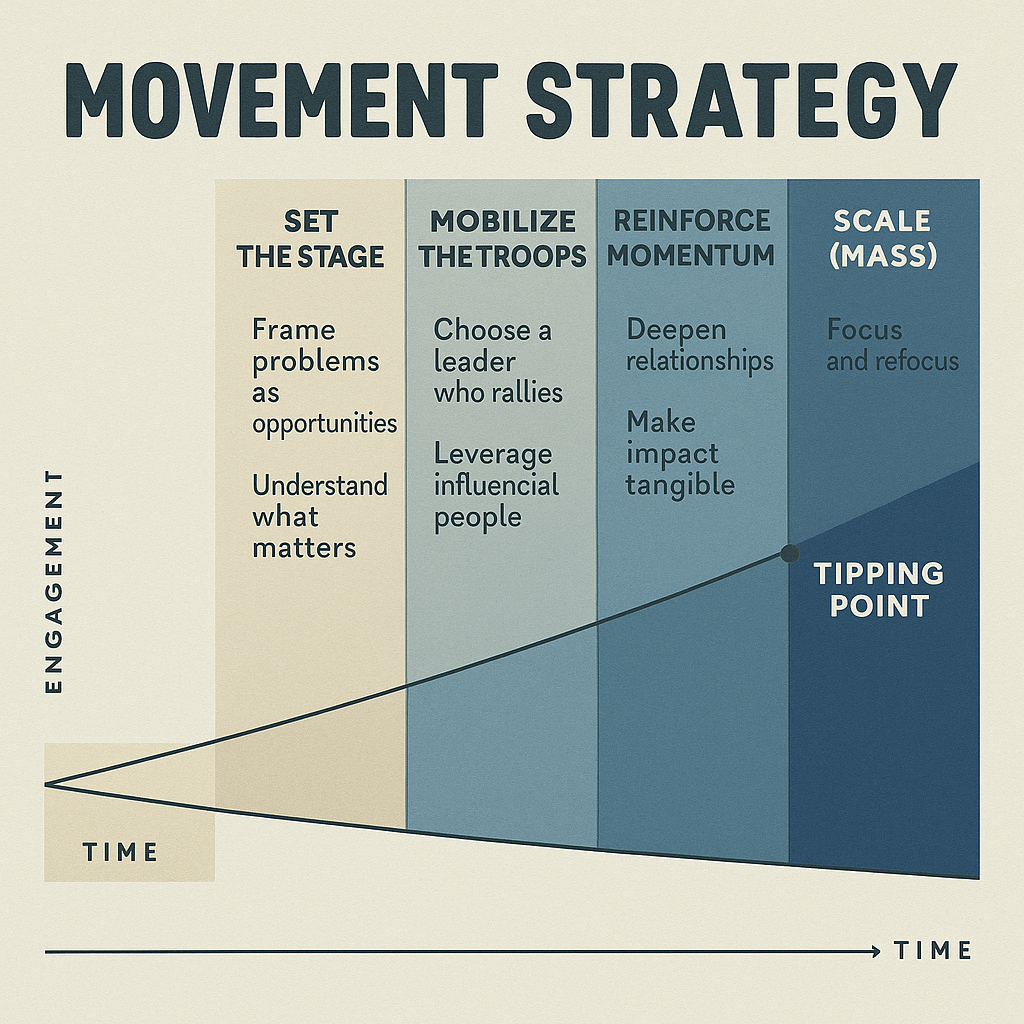
Palazzi takes us through the different phases of the public policy cycle: problem identification, formulation, adoption, implementation, evaluation, and emphasises that citizens must be involved in all of them, not just at the initial stages.
Through frameworks such as that of the European Commission for assessing the impact of participatory processes, the need to address the institutional ecosystem, preparation, quality of interactions, and collective learning is highlighted.
To illustrate all this, he shares the case of legislative theatre in Northern Ireland, where women who had experienced violence and homelessness created a play that led to concrete proposals to institutional representatives. An experience of co-creating policies from a position of vulnerability, art and collective action, breaking the mould of traditional politics.
How do we measure the impact of public policy proposals put forward by a participatory citizen process?
From this methodological and political perspective, Gerard Lillo, head of participation at Barcelona City Council, explores the mechanisms and instruments available for advocacy at the municipal level. With his institutional experience and commitment to participatory democracy, Lillo shows the different levels of citizen involvement in public decision-making: from mere information and consultation to deliberation, co-production and co-creation of policies. In the case of Barcelona, there are many formal instruments of participation: participatory processes, councils, public hearings, consultations, civic management, but they also face limitations, such as the lack of diversity among participants or the legal impossibility of direct involvement.
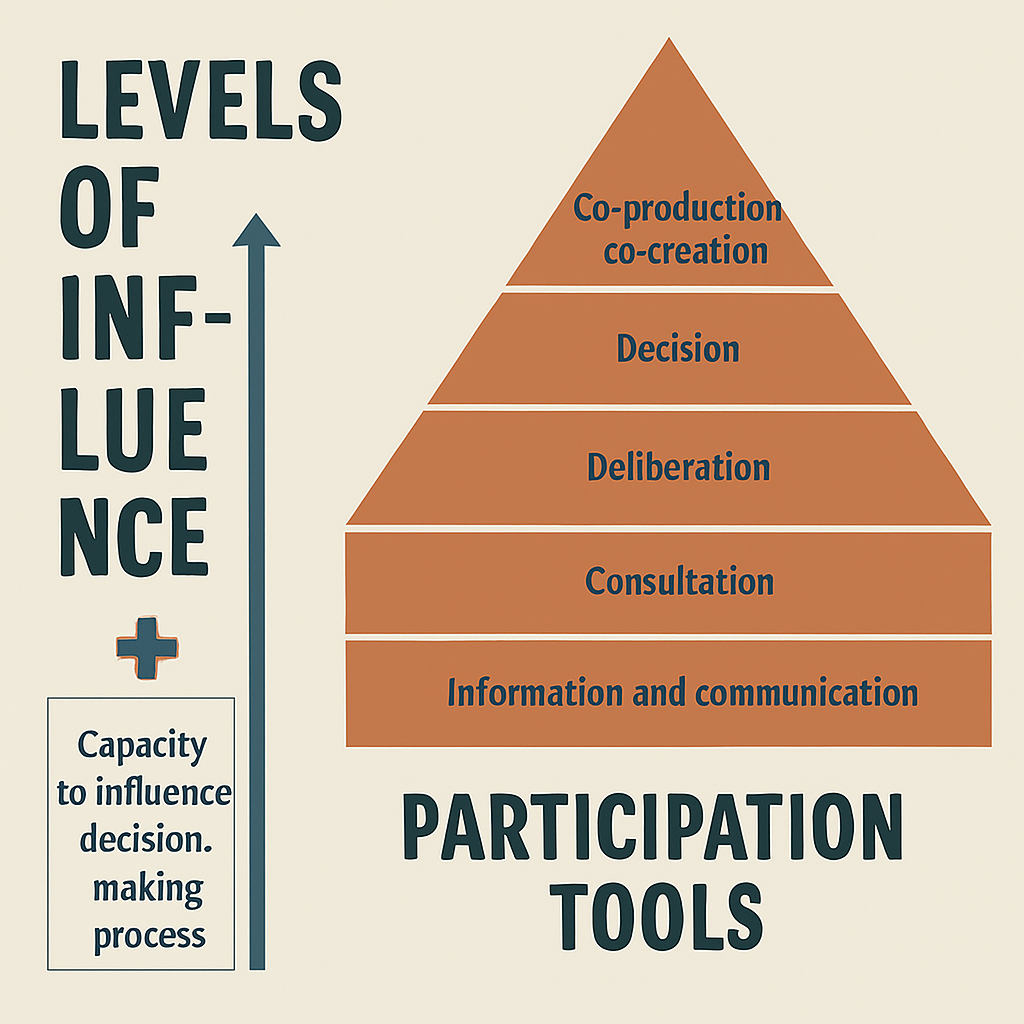
For this reason, Lillo defends the idea of deliberative citizens’ assemblies as a way of overcoming gaps in representation and strengthening the sense of community and civic roots. The Barcelona Citizens’ Assembly for Climate is analysed: its design, phases, achievements and difficulties, and its lack of institutional follow-up or social legitimacy, which reveals both the potential and the challenges of these processes.
Broadening the view to the European level, Mireya Diouri, spokesperson for Talento para el Futuro (Talent for the Future), adds her perspective on the real ways to influence the European Union. Focusing on the role of youth and organised civil society, Diouri explains that the key lies in recognising the institutional context, knowing what we want to change, and understanding who to direct our demands to and how.
- What do we want to change?
- Who do we need to understand?
- How do we address our demands?
Through a clear mapping of European competences — exclusive, shared and supporting — and the formal tools available — such as the European Citizens’ Initiative, the Petitions Committee, the Ombudsman or the preliminary ruling — the class becomes a guide for navigating and activating levers within the European system.
The case of C-363/18, in which young French people succeeded in getting the EU to require the labelling of products from occupied territories, is proof that advocacy works if there is strategy, legitimacy and citizen support. Diouri also insists that communication and social mobilisation must always go hand in hand with institutional strategies in order to generate public pressure and broaden the impact, even if the tools are not binding.
Communication as a driver of global citizen initiatives
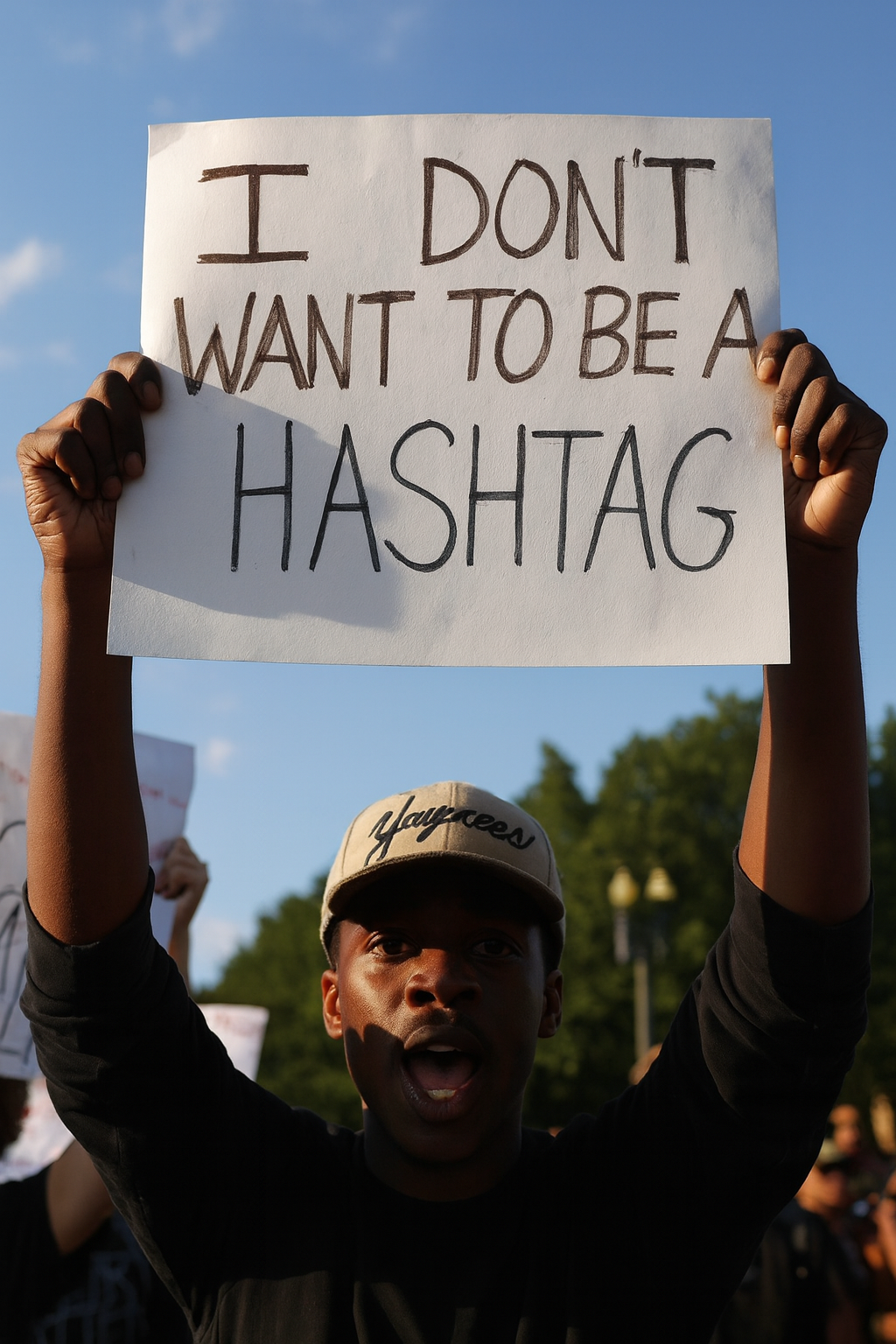
And it is precisely Patricia Luján, founder of School of Feminism, who closes the module and the School. She reminds us that communication is a form of political power. With an emotional class full of examples, Luján immerses us in the recent history of communicative impact: from #MeToo and #Cuéntalo, to performances such as Un violador en tu camino (A rapist in your path), to the use of Telegram in the Tsunami Democràtic (Democratic Tsunami) or the visual campaigns of Amplifier.
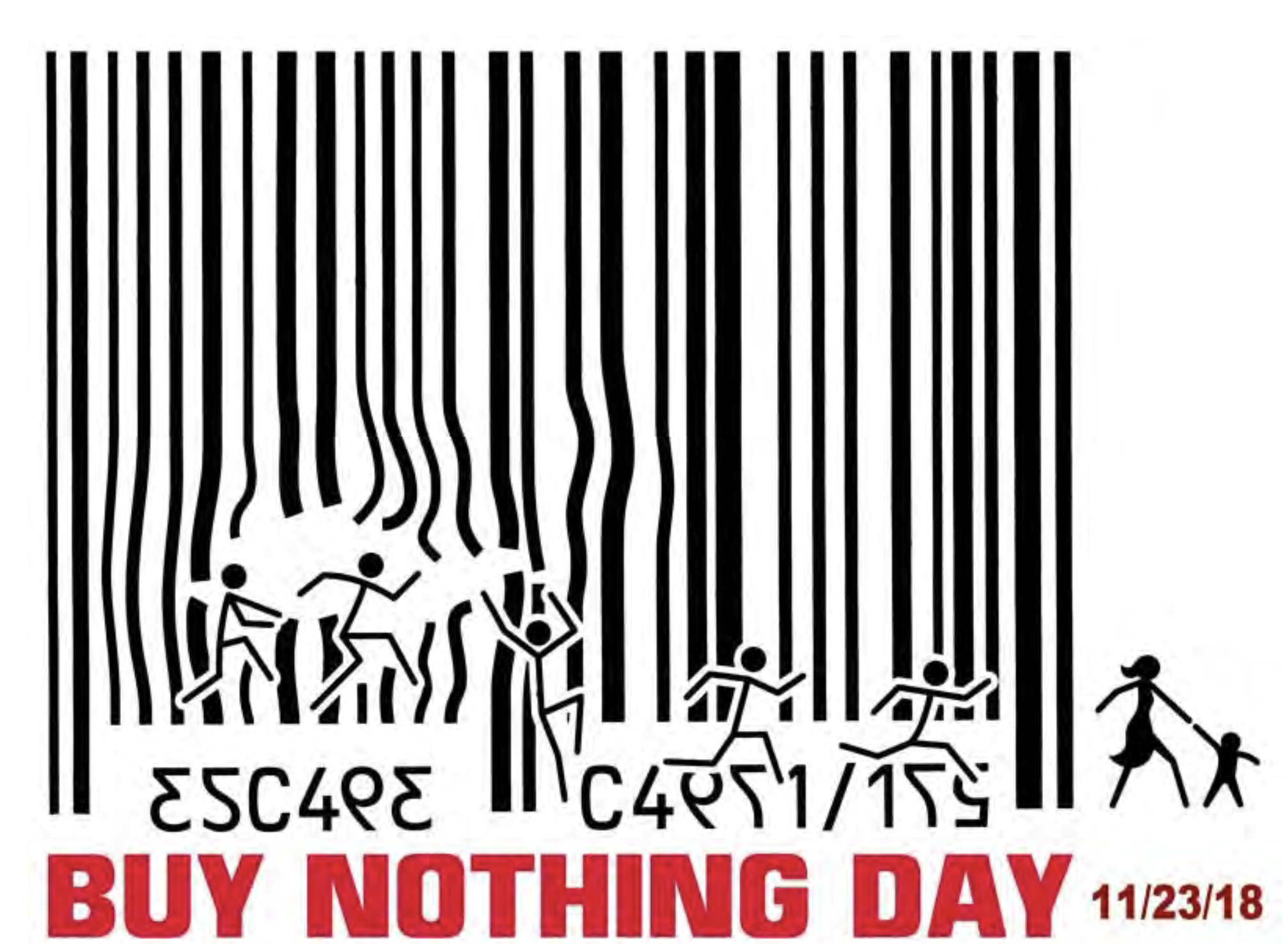
His message is clear: to transform, we need powerful narratives, striking visuals and emotional tactics. Aesthetics are not superficial, they are a strategy. Viral content is not an accident, it is a construction. That is why he encourages the use of marketing tools for causes that matter: accessible audiovisual content, partnerships with the media, conscious influencers, storytelling that connects with collective experiences. Because, as he ironically puts it, we could sell a car… but we prefer to sell rights, justice and democracy.
Platoniq’s facilitation, as in each module, was the invisible thread that held together and wove this wealth of knowledge, experiences and emotions when it came to creating a space where thinking and doing politics was also feeling, imagining and sharing.
What did we take away from the School? Concrete tools, living references and a transformative certainty: democracy is reinvented every day, from the bottom up, with creativity, affection and citizen power.